Here’s another “how to” article by Stefan Steinmaier. -Dan
One of my major concerns this winter was to improve the handling of the Sport Fury. During the general restoration a couple of years ago, all the ball joints and bushings had been replaced, all the hangers had been reworked and the caster and chamber were readjusted. Nevertheless in harsh curves the body “rolled” very strongly and sometimes it almost pulled me out of the seat. The solution showed up a couple of month ago, when I got an original Sway Bar with all hangers and bushings. The only parts that didn’t fit were the brackets to the frame. They had been cut off and therefore I had to weld them on again. Here’s the pictures of what I did:
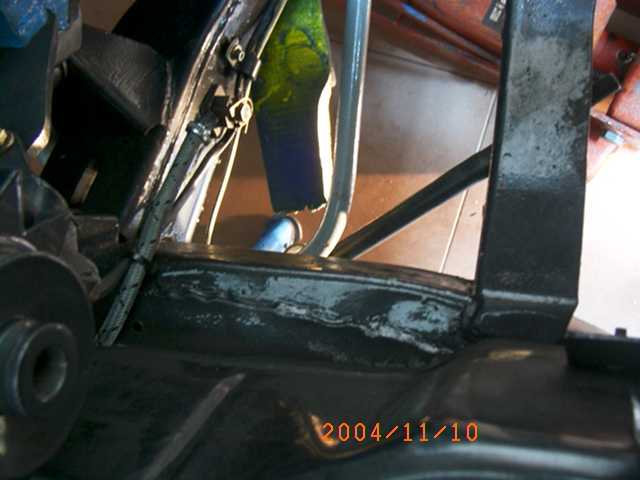
My SF didn’t have a sway bar, so I had to find the right place for the brackets.
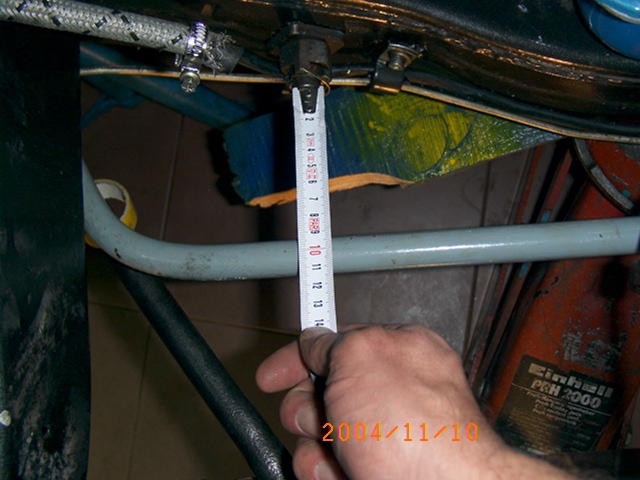
With a tape and some plastic straps, the sway bar comes in position.
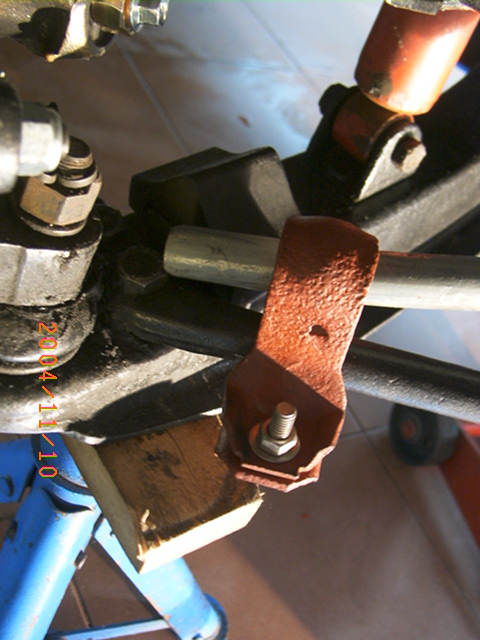
The bolt of lower control arm strut is a good reference point and allows a precise adjustment.
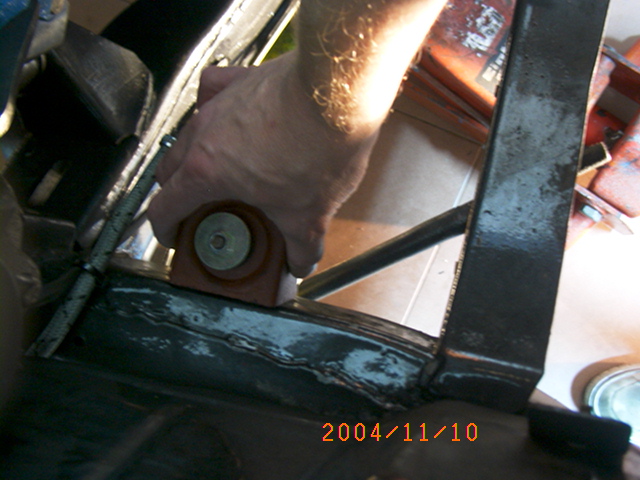
The original bracket is in the right position, or is it not? I have to check the clearance in all directions now.
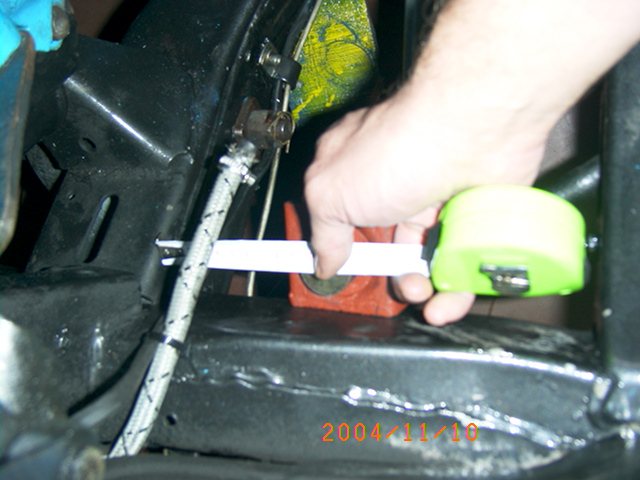
Last check – everything still in the right position?
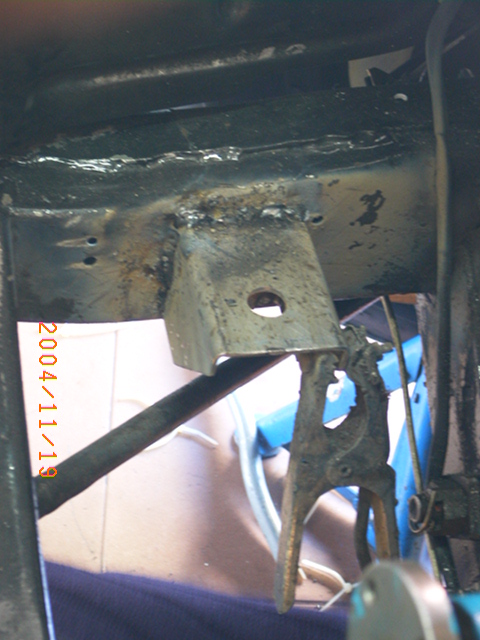
A new bracket is on the frame.
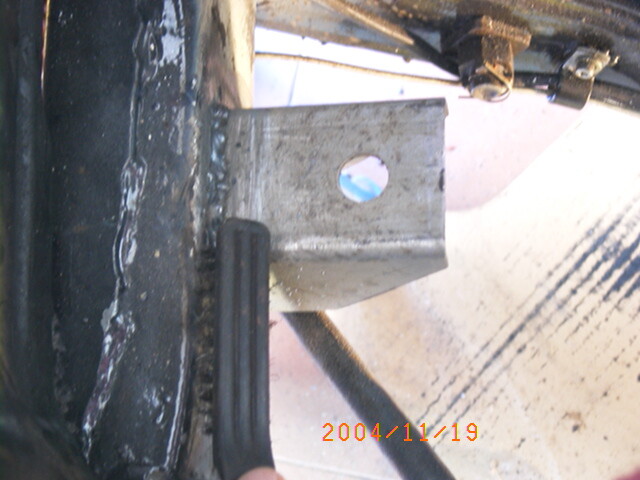
Clean the welding seam
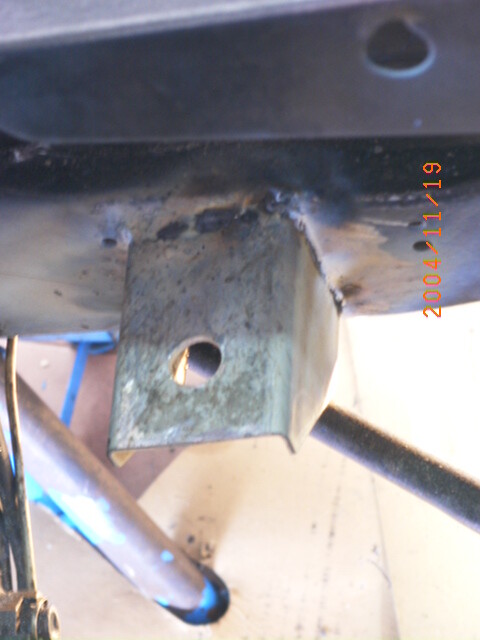
Good enough for now. Later, after the first test drive I’ll do it better (hope I don’t have to change it)
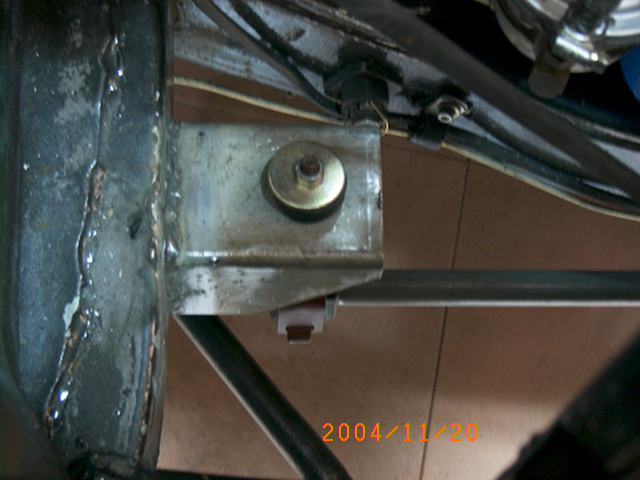
With hanger and bushings on the right and left side – it already looks pretty good.
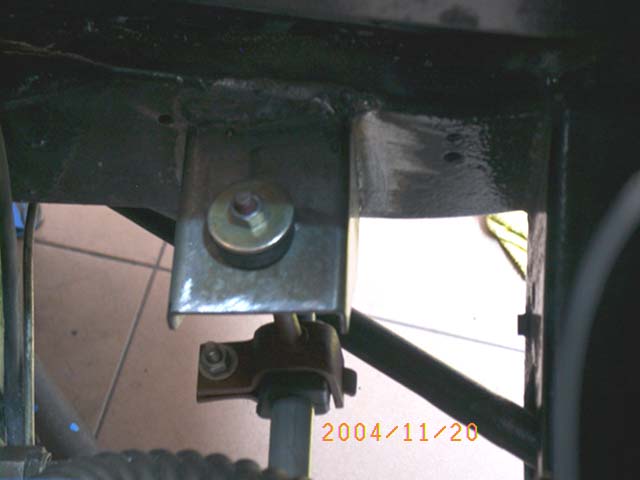
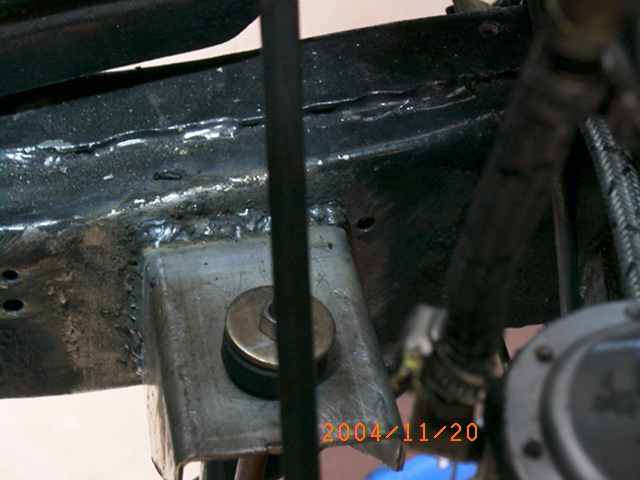
The little hole on the right corner or the bracket is a perfect reference point.
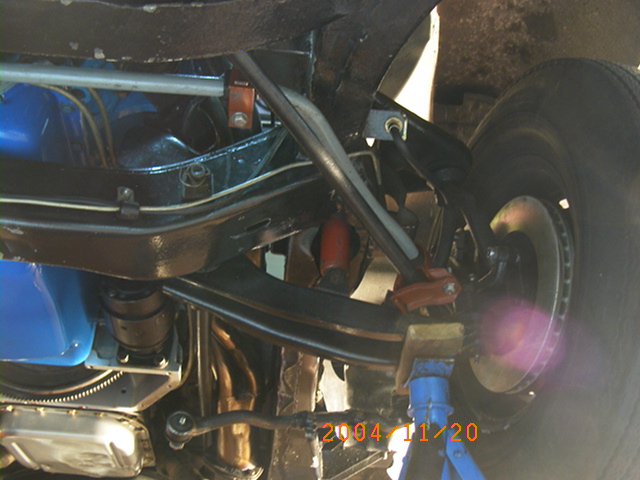
Drivers Side
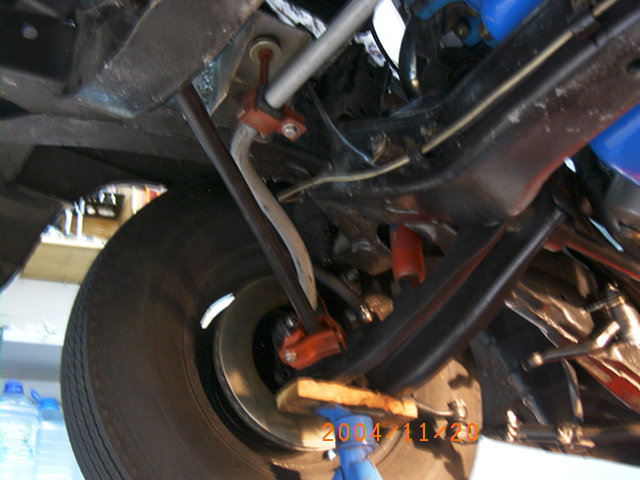
Passenger Side
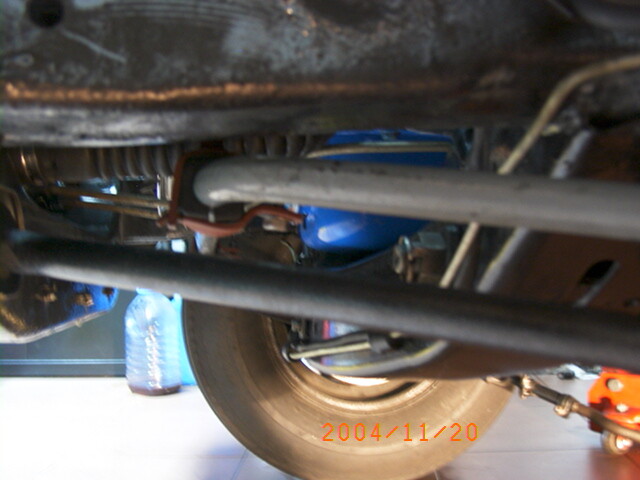
Clearance between Frame and lower control arm strut
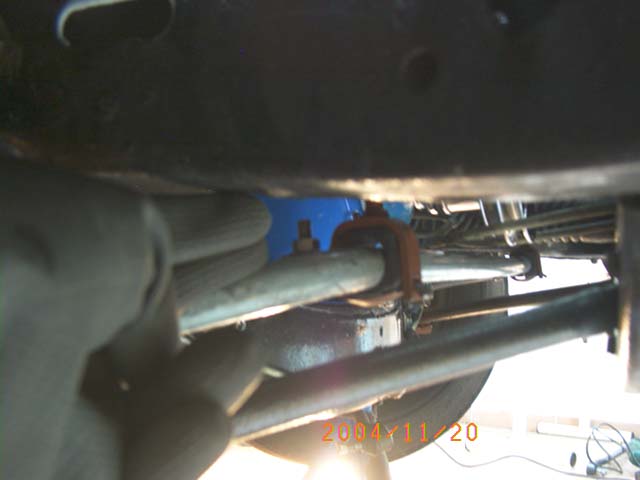
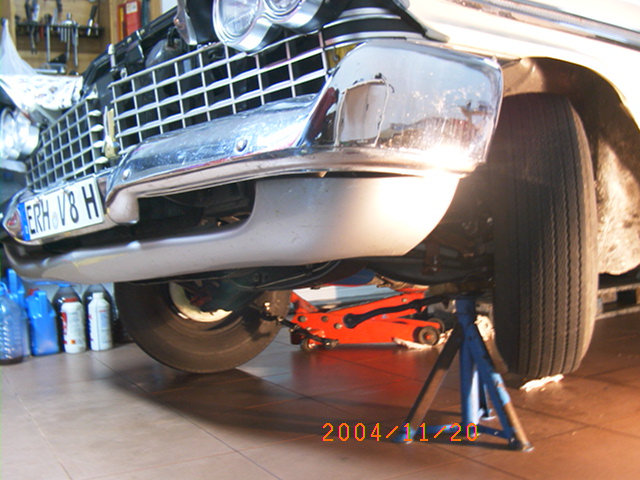
The moment of truth – does the sway bar move freely in extreme situations?
The first test drive revealed a significantly improved handling of the car. Especially in curves the chassis doesn’t roll so much anymore. The Sport Fury shows a lot more stability, gives a more precise feedback from the steering wheel and better road-holding. What I like the best on the sway bar is a more comfortable ride for driver and passenger.